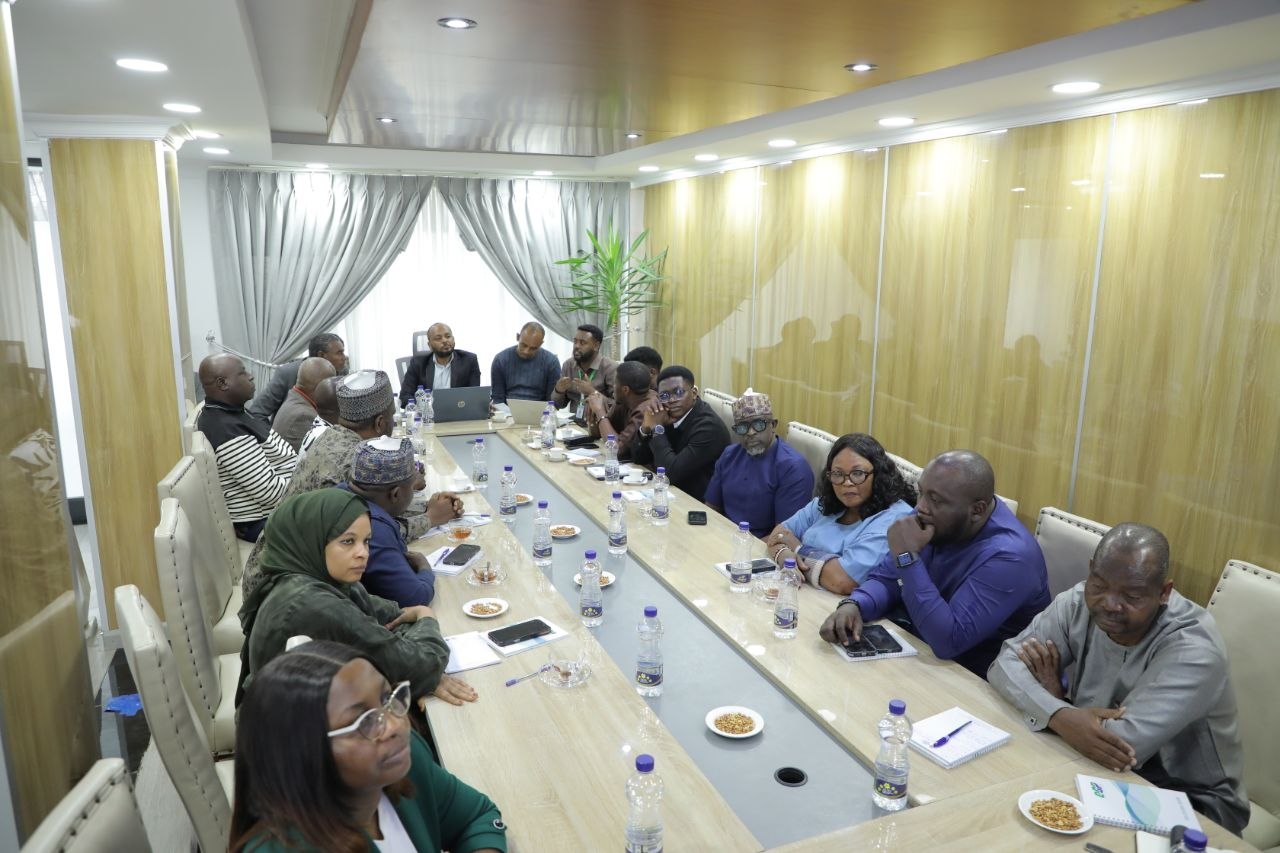
The Authority shared its experience with the second Nigerian delegation on the implementation of the (e-GP) system.
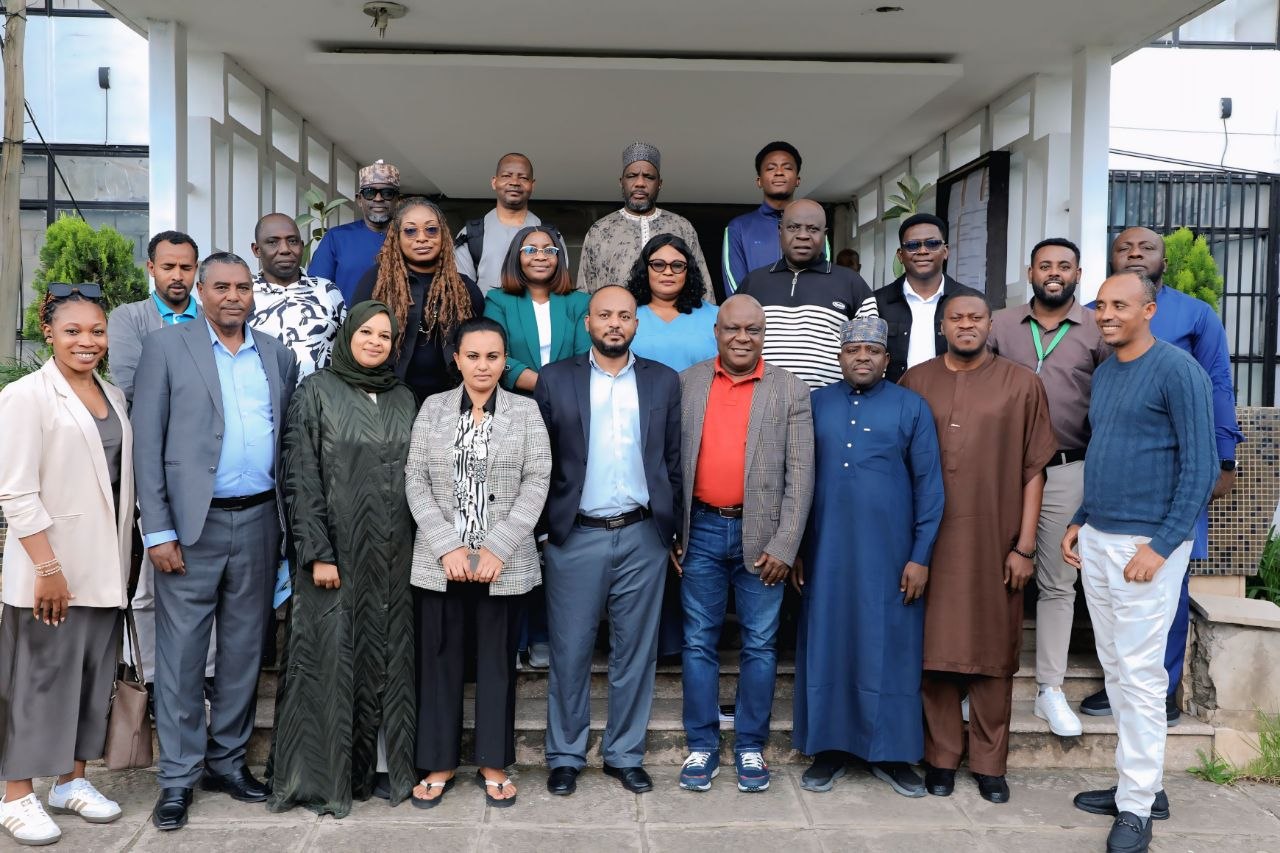
(Sep. 25/2026|Addis Ababa) – In a major effort to strengthen African institutional cooperation and modernize public financial systems, a high-level delegation from Nigeria’s public sector came to Ethiopia to discuss with the Federal Public Procurement and Property Authority of Ethiopia (FPPPA). The visit served as a peer-learning platform designed to enhance transparency, accountability, and market competition across two of Africa’s largest public sectors.
At the moment who make a welcoming speech, FPPPA Deputy Director Mr. Menelik Samuel set the tone for the meeting by emphasizing that the engagement extended far beyond a technical study tour. He framed the discussion as a vital exercise in peer learning and practical knowledge exchange between two large, diverse nations facing shared governance objectives. Mr. Menelik noted that both countries share critical questions on how to make procurement more efficient, strengthen transparency, boost supplier participation, and manage public property responsibly throughout its entire lifecycle.
“For us, e- GP is not simply about electronic tendering. It is a broader governance and public financial management reform,” Mr. Menelik stated, emphasizing that success in digital transformation requires more than technology alone. He underscored that strong institutions, appropriate legal frameworks, capable personnel, stakeholder engagement, and local ownership remain the true backbone of lasting reform.
After the opening speech, the e-GP project manager Mr. Yafe Mekonin reflect facts, achievements, platforms, challenges, mitigation plans taken and other issues related to e- GP- Ethiopia. In his presentation, he highlighted the rapid growth of Ethiopia’s Electronic Government Procurement (e-GP) platform. Specially, he mentioned that e- GP launched in 2019 as a pilot project across nine entities, the system has expanded into a Federal-wide platform processing nearly 100 percent of Federal tenders electronically across more than 126,000 processed tenders. With over 142,000 suppliers registered, the digital transition has already delivered a 15 percent reduction in public spending costs by cutting administrative overhead, paperwork, and transit times.
The system integrates directly with national infrastructure, including IFMIS, tax databases, business registration systems, Telebirr, the Fayda National Digital ID and other system.
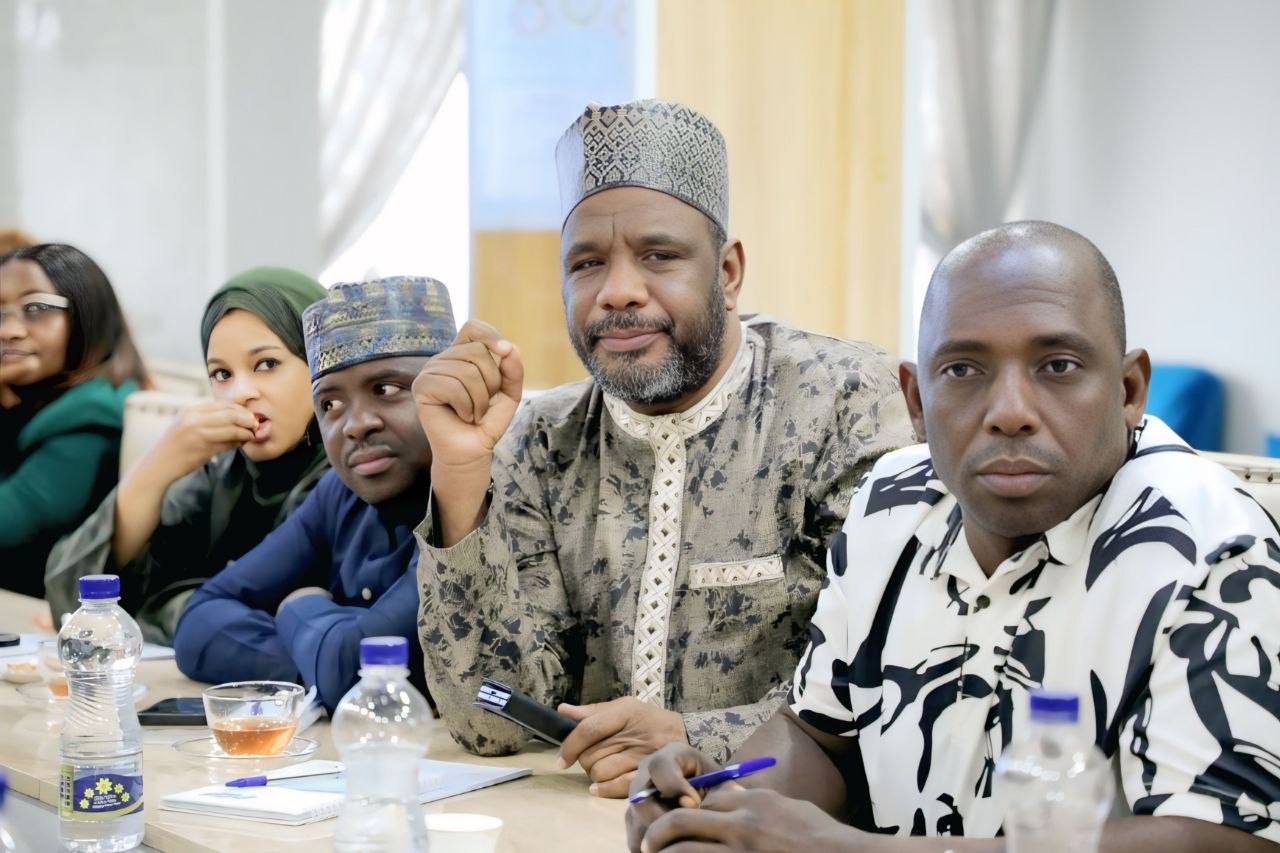
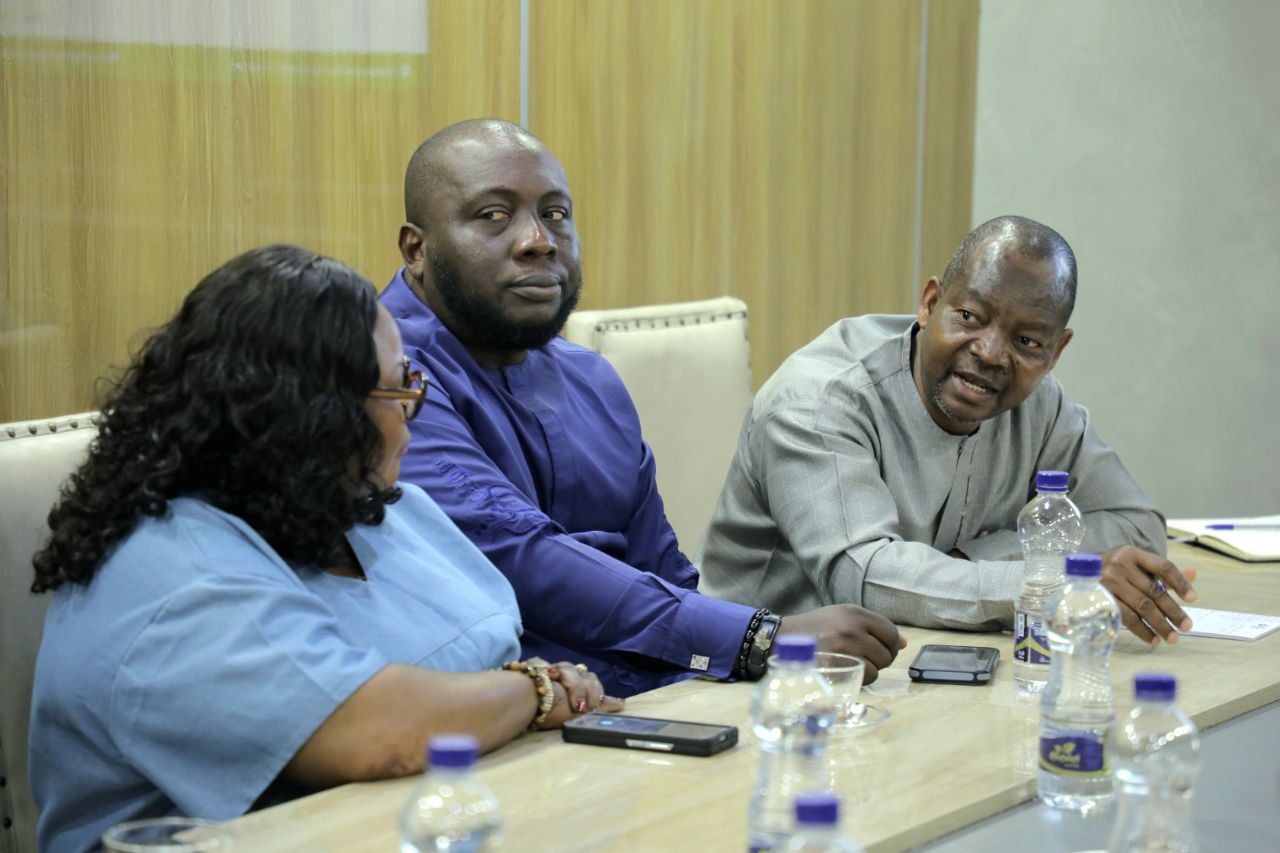
During this discussion, delegates addressed critical operational challenges, including infrastructure constraints, data silos, and institutional resistance to digital adoption. FPPPA officials explained their strategies for overcoming these hurdles through nationwide training, stakeholder dialogues, e-learning initiatives, and structured supplier on boarding. Looking to the future, the authority outlined plans to expand regional adoption, digitalize public property management, and introduce Artificial Intelligence under human supervision to strengthen cyber security, detect fraud, and maintain data integrity.
In the closing remarks at the end of the session, Mr. Menelik expressed gratitude to the Nigerian delegation for their active participation and insightful questions. Reaffirming that the initiative was a two-way learning experience, he voiced confidence that the dialogue would foster ongoing technical cooperation and strengthen institutional relationships aimed at building more transparent and effective procurement systems across Africa.



0 Comments